
Glossary
Packaging, logistics, and production terms

- Glossary
Industry-specific glossary terms
3D-display
A virtual three-dimensional model of a product, used during the design phase to provide a realistic preview and support further development.
ABS (Acrylonitrile Butadiene Styrene)
A durable plastic used in thermoforming and injection molding. Commonly utilized in technical plastic parts for transport containers due to its reliability in automation processes.
Anti-slip features
Enhancements to pallets that prevent products from slipping during transit, ensuring safety and efficiency in logistics operations.
Anti-twist protection
A feature in trays or containers like color stripes or uniquely shaped corners that ensures items are stacked in a specific orientation to avoid misalignment.
Automation logistics
The integration of automated systems like conveyor belts and robotic handling to streamline supply chains, reducing errors and increasing throughput.
AutoStore™
An advanced automated storage and retrieval system that reduces warehouse space usage by up to 75% compared to traditional methods, allowing for faster and more efficient order fulfillment.
Bail arms
Foldable handles or grips on nestable containers that allow them to stack securely when extended and nest when folded.
Barcode labels
Labels with machine-readable codes affixed to containers and packaging for easy identification and tracking within logistics or retail operations.
Barcode scanning
A process used in inventory management and shipping to track and identify products using machine-readable data.
Blister packaging
A pre-formed plastic packaging commonly used to encase food, consumer goods, and pharmaceuticals for protection and visibility.
Bulk bins
Large containers designed for storing and transporting loose items like grains, powders, and other bulk products.
CAD design
Computer-aided design software used to create detailed digital models of products, enabling accurate visualization and rapid prototyping.
Carbon neutral
A process or product where net carbon emissions are offset, often through the use of renewable energy or carbon credit programs.
Circular economy
An eco-friendly approach to material usage, focusing on rethinking, reusing, and recycling products to minimize waste and environmental impact.
Collapsible containers
Containers designed to fold flat when empty, saving up to 80% of space in return transport and storage systems.
Compartment trays
Customizable plastic trays with divided sections, designed to securely hold and protect multiple small items or components within a larger container.
Component holders/Workpiece carriers
Custom-designed carriers for parts used in manufacturing and logistics to securely transport and store sensitive components.
Conveyor systems
Automated systems that transport goods within a facility, improving efficiency and reducing manual labor.
Cross-docking
A logistics strategy where goods are directly transferred from inbound to outbound transport to reduce storage time.
DOLLYFIX
A transport system that securely attaches containers to a dolly using a click-and-fix feature, designed for easy handling and modular transport setups.
Dollies
Mobile platforms equipped with casters, designed to transport containers and goods efficiently across various environments.
Elastomeric coating
A durable, rubber-like coating applied to pallets for enhanced non-slip properties, ensuring goods remain stable during transport.
Enclosed double base
A reinforced container base with an additional layer to provide durability and flatness, ensuring smooth handling for heavy-duty logistics.
ESD (Electrostatic Discharge)
A protection measure in containers and pallets designed to prevent damage to electronic components from static electricity.
ESD containers
Specialized containers designed to safeguard sensitive electronics from electrostatic discharge during shipping or handling.
EUROTEC containers
Lightweight but robust containers often used in automated logistics applications where weight reduction, high pay load and durability are equally prioritized.
FEA analysis
Finite element analysis; a method for simulating and assessing the performance of materials or designs under specified conditions like stress or deformation.
Foam inserts
Custom-designed packaging inserts made of foam to protect delicate or fragile items during transit.
Forklift-compatible pallets
Pallets specifically designed to be easily handled by forklifts, improving efficiency in loading and unloading.
Frames
Structural reinforcements added to pallets to increase their load-bearing capacity, ensuring durability under heavy or oversized items.
Granulate
Small plastic pellets, often tinted, used as raw material in the manufacturing of plastic containers and other products.
Grated base
A container base with a grid-like design, allowing for airflow and liquid drainage, commonly used in food and agriculture industries.
Green supply chain
A logistics model focused on reducing environmental impact through sustainable practices and materials.
Grip sleeve
An indentation or recess in a container designed to facilitate automated handling by conveyor systems or robotic arms.
GS1 SMART-Box
A multifunctional packaging solution equipped for digital tracking, minimizing handling expenses and reducing process-related CO₂ emissions.
Heat shrink wrap
A plastic film that shrinks tightly over products when heat is applied, offering protection and load stability.
Hot stamping
An individual labeling technique using heat and pressure to permanently imprint text or logos directly onto a surface.
Industry 4.0
A term representing the fourth industrial revolution, which integrates advanced technologies like IoT and automation into manufacturing and logistics processes.
Infrared welding
A bonding process using infrared heating elements to join plastic components seamlessly, commonly used in container customization.
Injection molding
A high-precision manufacturing process where molten plastic is injected into molds to produce durable, consistent parts such as pallets and component holders.
Inventory management
The systematic control and tracking of stock levels to ensure optimal supply chain performance.
ISO 9001
An international standard for quality management systems, focusing on consistent quality and customer satisfaction.
ISO 14001
An international standard that sets out criteria for effective environmental management systems to minimize environmental impact.
ISO 45001
An international standard for occupational health and safety management to ensure workplace safety and regulatory compliance.
Just-in-Time (JIT) logistics
A strategy that minimizes inventory by scheduling production and deliveries to meet immediate demand.
KLAPA
A collapsible large bulk container specifically engineered for maximum space efficiency in supply chain operations.
Label pockets
Sealable pouches attached to containers for holding labels, ensuring identification information is secure and theft-resistant.
Load-bearing capacity
The maximum weight a pallet, container, or material can safely support during storage or transport.
Load securing straps
Adjustable straps used to stabilize and hold cargo in place on pallets or within vehicles.
Load simulation
A digital process that tests the durability and performance of materials under simulated forces or pressures, used to optimize design and production cycles.
Logistical efficiency
The effective planning and execution of transportation, storage, and distribution to minimize costs and time.
Material handling equipment
Machinery and tools, such as forklifts and conveyor systems, used to move, store, and protect materials during production and distribution.
Milling
The process of shaping or cutting the edges of plastic component holders or containers with precision machinery to meet exact specifications.
Mirror welding
A method of welding plastic elements by placing them against a heated plate before pressing them together, creating a strong, seamless bond.
Modular containers
Customizable containers designed to fit specific industry requirements while maintaining efficiency and compatibility.
Mold making
The creation of precision molds used in manufacturing processes like injection molding and thermoforming, critical for producing high-quality products.
MyClimate certificate
Certification indicating that CO2 emissions have been offset through verified climate protection projects, ensuring climate-neutral production.
Nestable containers
Containers designed to stack compactly when empty, saving up to 75% space, especially useful in return logistics.
Eco-Line
A product line made from recycled UIC® material, combining environmental sustainability with high-quality standards.
Pad printing
A printing technique that transfers ink from a silicone pad onto a product surface, allowing for multi-color, washable labeling of designs or logos.
Pallets
Flat platforms used for stacking, storing, and transporting goods, often designed for forklift and pallet jack compatibility.
Partition panel guide
A built-in feature within containers that securely holds partition panels, ensuring organized storage of multiple items without shifting.
Perforated walls
Container walls designed with openings to facilitate airflow, making them ideal for transporting fresh produce or products requiring ventilation.
Pick-and-pack
A warehouse process where items are picked from storage and packed into boxes for shipment.
Plastic sheet extrusion
A manufacturing process where heated plastic granules are formed into continuous sheets or profiles, later used in thermoforming or other applications.
Polypropylene (PP)
A strong, lightweight plastic material commonly used in reusable containers and packaging.
Pool pallet
A highly durable euro-pallet designed for automated logistics, equipped with digital tracking like RFID transponders or barcodes for process optimization.
Pre-stretching
A step in thermoforming where heated plastic sheets are stretched over a frame before molding, ensuring even thickness across the final product.
Primary packaging
The immediate packaging that comes into direct contact with a product, designed to protect and contain it.
Protective film
A thin plastic coating applied to product surfaces to protect them from scratches, dirt, and damage.
Punching
A process in which holes or shapes are stamped out of a material, commonly used in container customization or thermoforming processes.
RAKO (frame construction containers)
Multifunctional stackable containers known for their rigid structure, providing stability and compatibility within global logistics standards.
Rapid prototyping
The rapid production of prototypes using tools like 3D printers, enabling quick testing and feedback during the design phase.
Recyclable packaging
Packaging materials designed for reuse and recovery processes, reducing environmental waste.
Reusable packaging
Packaging created for repeated use, reducing waste and long-term costs while supporting sustainable business practices.
RFID (Radio Frequency Identification)
A system that uses radio waves to wirelessly track and manage inventory or shipped goods.
Ribbed base
A pallet or container base featuring reinforced, ribbed patterns to enhance durability and stability during handling.
Sampling
The production of initial product samples from tooling molds for customer review and approval before full-scale manufacturing begins.
Secondary packaging
Packaging used to group multiple primary packages together, often for easier handling or brand presentation.
SGL base
A compound stacking base designed to securely stack containers of different dimensions, maximizing space efficiency in storage and transport.
Slotted base
A container base with elongated openings to reduce weight or allow airflow, often used where load weight is less critical.
Slotted sidewall
Perforated container walls designed for weight reduction and partial visibility of contents, without sacrificing structural integrity.
Small load carriers (SLC)
Standardized containers, as defined by the VDA (German Association of the Automotive Industry), tailored to meet precision requirements in durable storage and transport.
Solid base
A closed, flat container base designed for maximum support and protection of goods, especially in cleanrooms or electronic handling.
Solid sidewall
Completely closed and smooth container walls, offering greater protection against contaminants like dust, moisture, or debris.
Stack load capacity
The ability of a package or container to withstand force when stacked, without damaging the contents inside.
Sustainable supply chain
A logistics process focused on incorporating environmentally friendly practices, from sourcing to delivery.
Tamper-evident seals
Specialized seals that provide visible evidence if a package has been opened or altered.
Thermobox
A thermal-insulated transport solution designed to maintain a controlled temperature for perishable or temperature-sensitive goods.
Thermoforming
Thermoforming is a process in which heated plastic sheets are molded into specific shapes, commonly used for making lids, trays, and other protective packaging.
Thermotransfer printing
A durable printing process using a heated ribbon to imprint high-resolution text or images directly onto a material’s surface.
Tie-downs
Ropes, straps, or other materials used to secure cargo during transport to prevent movement or damage.
Transport units
Multiple packaging components, such as boxes or pallets, combined to create larger, efficient transport systems.
UIC® (Utz Industrial Compound)
A high-quality recycled plastic material that matches the durability of virgin materials, offering a sustainable alternative in packaging production.
UN-approved containers
Containers certified to meet United Nations standards for safely transporting hazardous or sensitive goods in liquid or solid form.
UPAL-K
A flat and heavy-duty pallet designed to maximize logistical efficiency by optimizing storage and truck space during transit.
Vibration welding
A plastic joining process where materials are fused together through high-speed vibration, producing a strong, durable bond.
Virgin material
New plastic material that has never been processed or recycled, ensuring superior quality and consistency in manufacturing.
Warehouse automation
The use of robotics, software, and systems to streamline warehouse operations like storage, retrieval, and sorting.
Weight tolerance
The maximum weight a material, such as a pallet or container, can safely handle without damage.
Wrapping machines
Automated or manual machines used to wrap pallets or goods in stretch film, ensuring protection during transit.
Zero-waste packaging
Reusable packaging solutions designed to be 100% recyclable, often using recyclable materials.
Your go-to glossary
Your go-to glossary for packaging, logistics, and production terms tailored for decision-makers. Let's create a common terminology for better understanding and informed decisions with our customer-friendly, professional glossary.

Related information
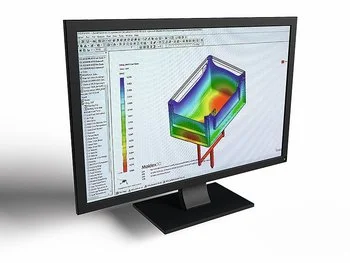
Containers designed with safety in mind
Utz ensures the highest quality for our customers. We conduct a series of rigorous quality tests during the development process to guarantee that our plastic containers meet all intended purposes.
Utz quality
PPWR legislation
Utz Group stays ahead of upcoming legislation and adapts to new sustainability requirements, particularly in the packaging sector. We’ll take a deep dive into the European Packaging and Packaging Waste Regulation (PPWR).
Learn more about PPWR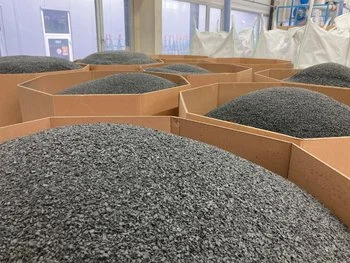
Utz Industrial Compounds
UIC® are high-quality, quality-tested secondary raw materials with specified material properties. The physical properties of UIC® are comparable to those of virgin material. We declare the raw materials used in our products in a transparent and comprehensible manner.
Discover UIC®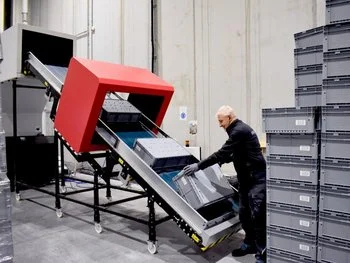
Return your end-of-life products for a second life
We are committed to sustainability and making it easy for you to recycle our products responsibly. Contact us, and we will help to organize the process.
Start recycling with Utz