
From waste to resources
The circular economy in packaging

From waste to resources: The circular economy in packaging
This article explains how the circular economy is changing packaging, moving from a linear "take-make-dispose" model to one that treats waste as a valuable resource. We will cover the principles of a circular economy, its benefits for businesses and the environment, and how companies are adapting to new regulations and consumer demands.
The way we handle packaging is undergoing a significant shift. For years, the standard approach was linear: create a product, package it, sell it, and then discard the packaging. This model has led to overflowing landfills and increased pollution, putting a strain on our planet's resources.
Now, a new approach is gaining momentum - the circular economy. This model focuses on keeping materials in use for as long as possible, extracting the maximum value from them before recovering and regenerating products and materials at the end of their service life. For the packaging industry, this means rethinking everything from design to disposal.
The problem with traditional packaging waste
Traditional, single-use packaging creates enormous amounts of waste. This waste often ends up in landfills or oceans, where it can take centuries to decompose. It also represents a loss of valuable materials that could be reused or recycled. For businesses, this linear model is becoming increasingly unsustainable, both environmentally and economically.
As landfills fill up and consumer awareness grows, companies face pressure to find better solutions. Inefficient waste management also means higher costs and missed opportunities to recover valuable resources. The traditional "use and toss" culture is no longer a viable long-term strategy.
Circular economy principles: Reduce, reuse, recycle
The circular economy is built on three core principles that offer a clear path away from the linear model:
- Reduce: The first and most effective step is to minimize the amount of packaging used in the first place. This involves eliminating unnecessary layers, designing lighter packaging, and using materials more efficiently. Reducing material consumption cuts costs and lowers the environmental footprint from the start.
- Reuse: The second principle is to design packaging that can be used multiple times. Reusable containers, refillable systems, and returnable pallets are all examples of this principle in action. Reusable packaging extends the life of materials and significantly reduces waste.
- Recycle: When packaging can no longer be reused, it should be designed for easy and effective recycling. This means using materials that can be easily processed and turned into new products, closing the loop, and creating a continuous cycle of use. Full recyclability is a cornerstone of circular design.

Innovative materials and designs
To support the circular economy, companies are exploring new materials and redesigning packaging to be more sustainable. This includes using recycled materials, developing compostable materials, and creating packaging that is easier to take apart for recycling.
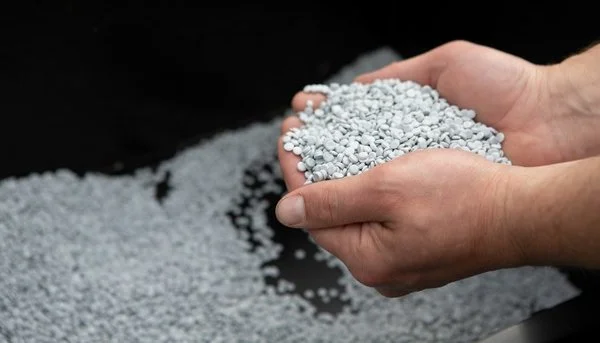
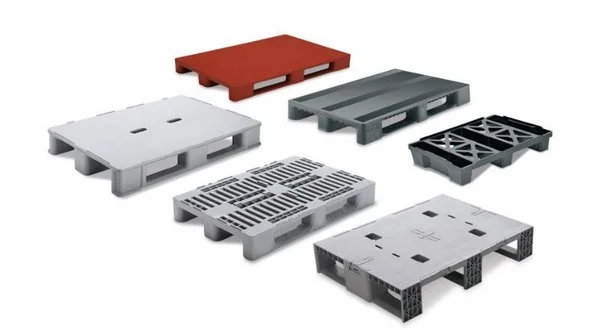
For example, in logistics, plastic pallets made from high-quality regranulate (UIC®), like the Utz UPAL-U, are replacing traditional wooden pallets. These pallets are designed for a long life in a closed-loop system. They are durable, hygienic, and fully recyclable at the end of their lifecycle.
Key features of these modern pallets include:
- Constant tare weight, which is crucial for automated systems.
- Resistance to moisture and chemicals, ensuring hygiene and durability.
- High load capacity, with static loads up to 5,000 kg and dynamic loads up to 1,500 kg.
- Optimized for automation with smooth surfaces and precise dimensions.
Companies embracing circular packaging
Many industries are already benefiting from the switch to circular packaging. The food, pharmaceutical, automotive, and electronics sectors, which require high standards of hygiene and safety, are leading the way.
Logistics and retail companies are also adopting plastic pallets to support their automation and sustainability goals. For instance, a durable plastic pallet may have a higher initial purchase price than a wooden one, but its total cost of ownership (TCO) is often lower over its lifespan.
Here’s a quick comparison of wooden versus plastic pallets, informed by industry data and selected figures from Gitnux’s pallet industry statistics.
| Feature | Wooden pallets | Plastic pallets |
|---|---|---|
| Durability | Low, 10 trips with repair in average | High, impact-resistant, 50 trips in average |
| Hygiene | Porous, can absorb moisture | Non-porous, easy to clean |
| Weight | Up to an 8 kg variation depending on moisture | Lower and consistent weight |
| Lifespan | Shorter, typically 3–5 years | Significantly longer, often 10+ years |
| Recyclability | Limited | Fully recyclable |
| Security / ergonomics | Nails and wood splinters can cause injuries | Rounded edges and ergonomic design ensure safe handling |
| Inspection at return | Variable quality requires thorough inspection at each return | Consistent, uniform quality enables faster and simpler inspection |

The role of consumers and businesses
Both consumers and businesses play a vital role in advancing the circular economy. Consumers can drive change by choosing products with sustainable packaging and participating in recycling and reuse programs. Their purchasing decisions send a strong signal to brands about the importance of sustainability.
For businesses, the transition requires a shift in mindset. It's about seeing packaging not as cost, but as an asset that can be managed within a closed-loop system. By investing in durable, reusable, and recyclable packaging, companies can reduce waste, improve efficiency, and build a more resilient supply chain.
Challenges and opportunities
Transitioning to a circular economy presents both challenges and opportunities. One of the main challenges is the initial investment required for new systems and materials. Developing the infrastructure for collecting and recycling materials at scale is also a complex task.
However, the opportunities are significant. A circular approach can lead to cost savings, new business models, and a stronger brand reputation. Companies that lead in sustainability can gain a competitive edge and build deeper trust with their customers.
Policy and regulation
Governments are also stepping in to accelerate the transition. New regulations are setting ambitious targets for waste reduction and recycling. In Europe, the Packaging and Packaging Waste Regulation (PPWR) is setting the stage for a major overhaul of packaging rules. Such regulations are pushing businesses to innovate and adopt circular practices more quickly.
The future of packaging
The future of packaging is circular. By embracing the principles of reduce, reuse, and recycle, we can move away from a wasteful linear system and build a more sustainable and efficient one. It's about designing out waste from the beginning and creating a system where resources are valued and kept in use.
For logistics managers and supply chain leaders, this means re-evaluating packaging choices and considering the long-term benefits of circular solutions. Investing in smart, sustainable, and creative packaging like the plastic pallets from Utz is not just an environmental choice—it's a strategic business decision that drives efficiency and reduces costs.

Ready to take the next step toward circular packaging?
Would you like to learn more about how circular solutions can optimize your logistics, lower your total costs, and drive real sustainability? Contact our experts for practical information, tailored advice, and strategies to implement durable, recyclable packaging in your supply chain.


