
How RFID supports sustainability
and environmental goals

RFID sustainability: supporting environmental goals
RFID technology is helping more businesses meet their sustainability goals. It improves supply chain visibility and efficiency, which can lower environmental impact.
In this article, we'll explain how RFID contributes to environmental efforts, show real-world results, and provide tips for making it part of your operations.
Gaps in using RFID for sustainability initiatives
Recent research from the RAIN Alliance surveyed companies across industries like automotive, healthcare, manufacturing, and food. The results showed that businesses experienced with RFID are much more likely to connect their RFID programs to sustainability teams - 80% compared to just 18% for newer users.
Most companies use RFID mainly for tracking and inventory. Yet, many are missing out on its full potential for sustainability. The systems for better environmental performance are often already available; they just aren’t fully used.
RFID can help organizations support sustainable development goals, from better health and clean energy to improved infrastructure and more responsible resource use.

How RFID contributes to a more sustainable supply chain
RFID makes it easier for businesses to build sustainable supply chains. By tracking products and materials more precisely, companies gain better transparency. This means more accurate lifecycle assessments and improved carbon footprint tracking.
Having real-time data lets companies optimize transport, reduce unnecessary trips, and lower emissions. RFID also helps reduce overproduction and waste by allowing for more accurate inventory levels. Keeping assets visible helps limit expired products and supports circular economy practices, especially when using reusable containers.
Automation through RFID further reduces labor for scanning and inventory checks. This can cut energy usage, especially in warehouses. Better inventory control also lowers costs for refrigeration or climate control.
As companies look for practical ways to support their environmental goals, many are exploring the broader benefits that RFID offers. If you want to dive deeper into how different RFID solutions can fit into your sustainability strategy, you can find more details on our RFID products and smart solutions page.

Real-world examples of RFID products from Utz
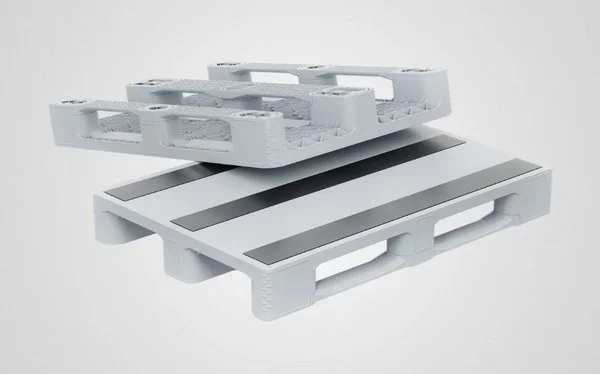
The connected pallet
In partnership with Connected Load Carrier, we launched the UPAL-K, a pallet with integrated RFID and beacon technology. It connects directly to a control tower, providing real-time location data and a full digital twin to optimize asset lifecycles.
GS1 SMART Box
The GS1 SMART Box brings innovative features that optimize the movement of goods. Thanks to GS1 standards, it can be seamlessly integrated into existing processes and offers full transparency along the supply chain – from production to the point of sale. RFID and barcode technologies support automated warehouse management, while durability and reusability reduce costs and conserve resources.
Steps for adding RFID to your sustainability program
If you want to use RFID for sustainability, start by reviewing your tracking and reporting processes. Look for areas where visibility can help you reduce waste, save energy, or gather better data.
Consider these steps:
- Select RFID technology that fits your operations and environmental goals - make sure everything integrates smoothly with existing systems.
- Establish clear data policies to guide how information is collected and used.
- Train your team and encourage communication between technical and sustainability departments.
- Use analytics to turn RFID data into insights for reporting and improvement.
Tip: If you’re concerned about costs or complexity, run a small pilot project where benefits can be shown quickly.
Be prepared to address common issues like integration, data reliability, and security. Working with experienced partners like Utz and setting clear standards can help.
The future of RFID and sustainability
RFID will likely become even more important as companies face new environmental regulations and reporting requirements. Innovations in analytics and integration with other smart technologies mean that RFID can keep providing valuable sustainability data.

Frequently asked questions
How can current RFID systems support sustainability?
Most RFID setups already gather useful data. By taking a closer look, companies can discover valuable insights with their existing equipment.
What is the ROI for RFID in sustainability programs?
Benefits often include less asset loss, more efficient inventory, and easier compliance with regulations.
How does RFID help with environmental reporting?
RFID systems provide real-world records for item reuse, transportation, and asset lifecycles, supporting strong sustainability reports.
What sustainability metrics can RFID track?
Common ones include asset use, packaging rotations, trip distances, energy use, waste, and whole product lifecycles.


